Home / Articles
What to Expect from Thread Lifting for Face and Neck Rejuvenation
Home / Articles
What to Expect from Thread Lifting for Face and Neck Rejuvenation
Thread lifting has become a popular option for individuals seeking a non-surgical method to rejuvenate the face and neck. At Yujin Plastic Surgery & Dermatology & Stem Cell Research Center in Gangnam, Seoul, we approach thread lifting not just as a cosmetic procedure, but as a personalized solution rooted in regenerative care and aesthetic balance. Here’s a complete, medically grounded guide to help you understand what to expect before, during, and after a thread lift.
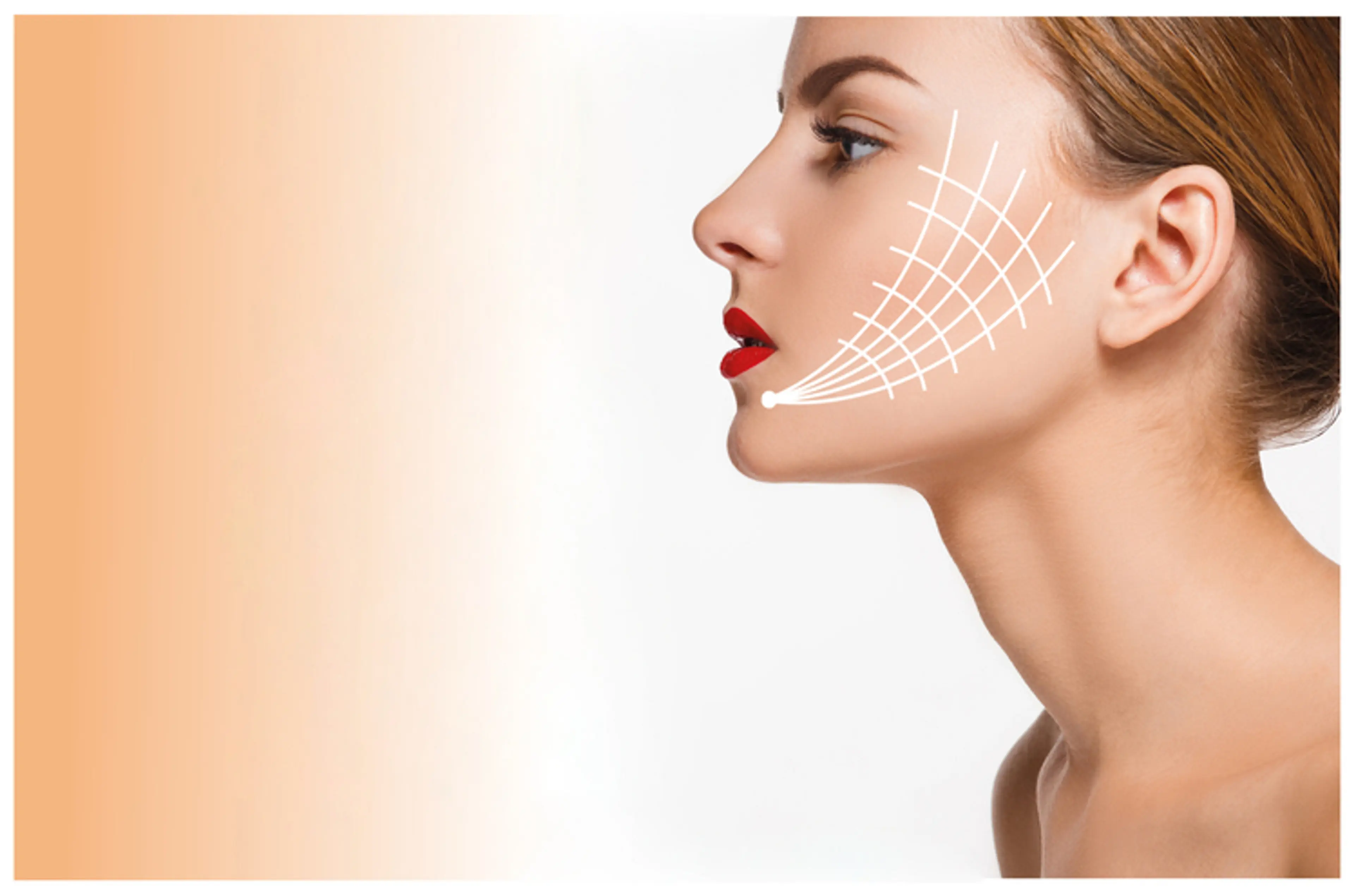
Thread lifts target key facial zones such as the jawline, cheeks, nasolabial folds, brows, and neck. By selecting the appropriate thread type and insertion pattern, experienced surgeons can subtly refine facial contours without altering the patient’s natural expression.
Thread lifts are best suited for individuals who:
Have realistic expectations and understand the limitations of non-surgical treatments
Patients with significant volume loss or deep structural sagging may require a more comprehensive approach that includes surgical lifting or regenerative fat grafting. At Yujin, patient selection is paramount. We assess not just skin laxity but also skin quality, facial anatomy, lifestyle, and long-term aesthetic goals.
Thread lifting occupies a unique space between injectables and surgery. While not a replacement for a traditional facelift or neck lift, it offers key benefits:
In the Korean aesthetic context, where patients often seek subtlety and refinement, thread lifting provides a welcome alternative to more aggressive approaches. It can also serve as a bridge procedure—delaying the need for surgery by a few years.
This is arguably the most critical phase. At Yujin, consultations are conducted exclusively by Dr. Tae-jo Kang, whose regenerative expertise ensures that the treatment is personalized to each patient’s facial anatomy and tissue response. During the consultation:
We assess the degree of laxity, skin thickness, and overall facial harmony
We map the vectors for optimal lift (e.g., cheek to temple, jawline to ear)
We discuss the best thread type for your goals and skin type
Combined options (e.g., skin tightening, fat grafting) may be recommended for enhanced outcomes
On the day of treatment:
The skin is cleansed and sterilized
Local anesthesia is administered to ensure comfort
In some cases, nerve blocks may be used for broader numbness
Markings are drawn to guide thread insertion based on your unique facial structure
Patients are typically awake during the procedure but experience minimal discomfort.
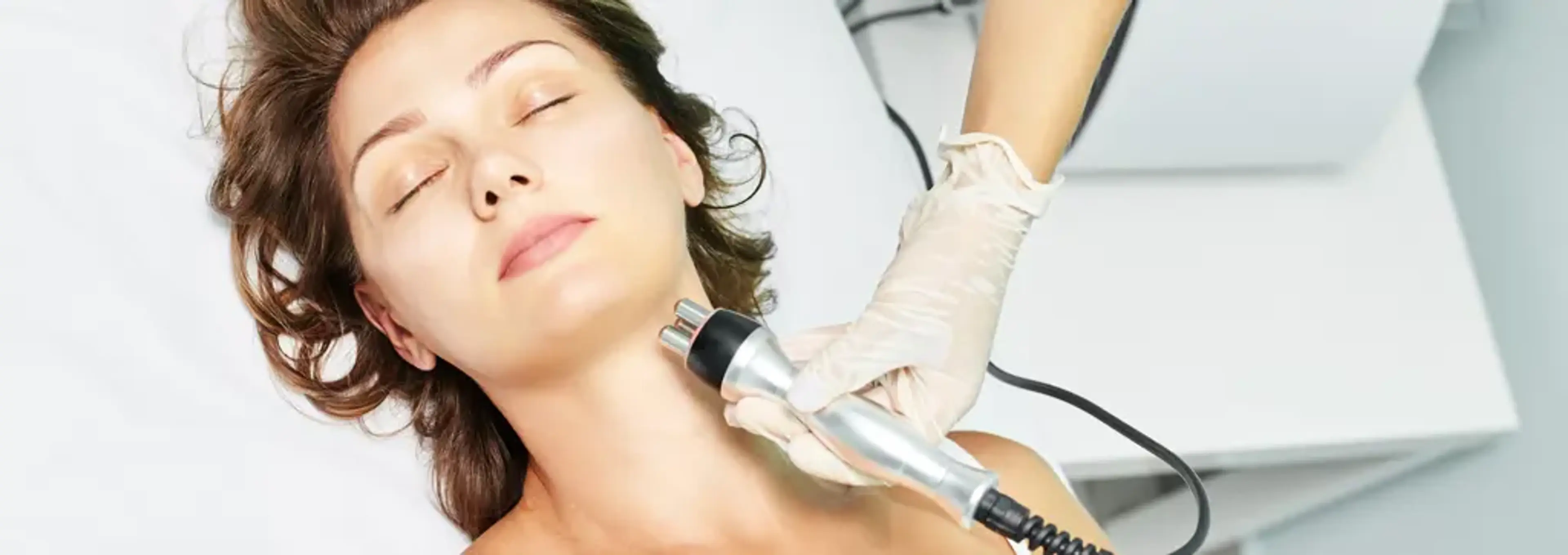
A fine needle or cannula is used to insert the threads along pre-planned lines
Threads are anchored in the deeper layers of the skin to provide structural support
Each thread is carefully positioned to achieve lift while maintaining facial symmetry
The insertion may take 30 to 60 minutes depending on the number of threads and treatment areas. You might feel a slight pulling sensation but not pain.
Once the threads are in place, Dr. Kang adjusts the skin tension for a smooth and natural finish
Minor asymmetries or irregularities are corrected on the spot
Ice packs may be applied post-procedure to reduce swelling
Patients leave the clinic shortly after, with post-care instructions tailored to their skin and thread type.
Thread lifting is known for its minimal downtime and progressive improvement. Here’s what you can expect:
Mild swelling, redness, tightness, and bruising are normal and resolve quickly
Some tenderness when smiling or chewing
Avoid touching the face or performing vigorous activities
Most bruising and swelling subside
Threads begin stimulating fibroblasts to produce collagen
Patients begin to notice improvements in skin texture and lift
Maximum collagen production occurs around this period
The skin becomes firmer, more elastic, and better supported
Results continue to refine, offering a lifted but natural appearance
Results vary based on age, lifestyle, skin quality, and the number/type of threads used
Maintenance sessions every 12–18 months are often sufficient to preserve the effect
When performed by a trained expert, thread lifting is generally safe. However, patients should be aware of potential side effects:
Minor bruising or swelling
Temporary dimpling or irregularity in the skin
Thread migration or asymmetry (rare when placed correctly)
Infection or granuloma formation (extremely rare)
At Yujin, these risks are minimized through:
Use of premium, FDA-cleared threads
Strict sterile techniques
Advanced anatomical knowledge
One-doctor system: Dr. Kang performs all thread lift procedures personally
Yujin is more than a clinic. It’s a patient-focused medical practice led by a pioneer in regenerative aesthetics:
Yujin has built its name on precision, safety, and artistry. Located in the heart of Gangnam, our clinic serves both local and international patients seeking elite aesthetic care with a human touch.
If you’re starting to see the early signs of facial or neck sagging, and you’re not quite ready for surgery, thread lifting offers a promising bridge solution. With careful technique and clinical experience, it can subtly elevate your appearance and improve skin resilience.
At Yujin, thread lifting isn’t a standalone quick fix—it’s a strategic tool in a larger rejuvenation plan. Whether used alone or in combination with regenerative treatments, it aligns with our philosophy: enhance, don’t exaggerate.
To learn whether a thread lift is right for your face or neck, book a consultation at Yujin Plastic Surgery in Gangnam. We’ll walk you through the best options for your unique anatomy and aesthetic goals.
Ask us about:
If you value natural beauty, continuity of care, and a science-backed approach to aesthetics, Yujin Plastic Surgery may be your clinic of choice.