Introduction
introduction:-the-challenge-of-aging-gracefully-in-a-fast-paced-worldExplained with surgical insight, clinical nuance, and a surgeon’s eye for what truly makes aging gracefully possible.
A few years ago, when patients first asked me about “stem cell facelifts,” I’d pause — not because the concept lacked promise, but because the language around it was so loaded with marketing hype that it often obscured the real science beneath. Today, the term has settled into something more meaningful: a spectrum of regenerative therapies that work with your own biology to slow, soften, and subtly reverse visible signs of aging — without the downtime of traditional surgery.
To many people in their 40s, 50s, even 60s, the idea of turning back the clock without a scalpel is deeply appealing. But what exactly is a stem cell facelift? Why might it be considered part of the non‑invasive future of anti‑aging? And — most importantly — what should patients really expect from these treatments?
Let’s unpack this from a surgeon’s perspective: technically grounded, candid about limitations, and focused on what actually delivers results that look natural.
What People Really Mean by “Stem Cell Facelift”
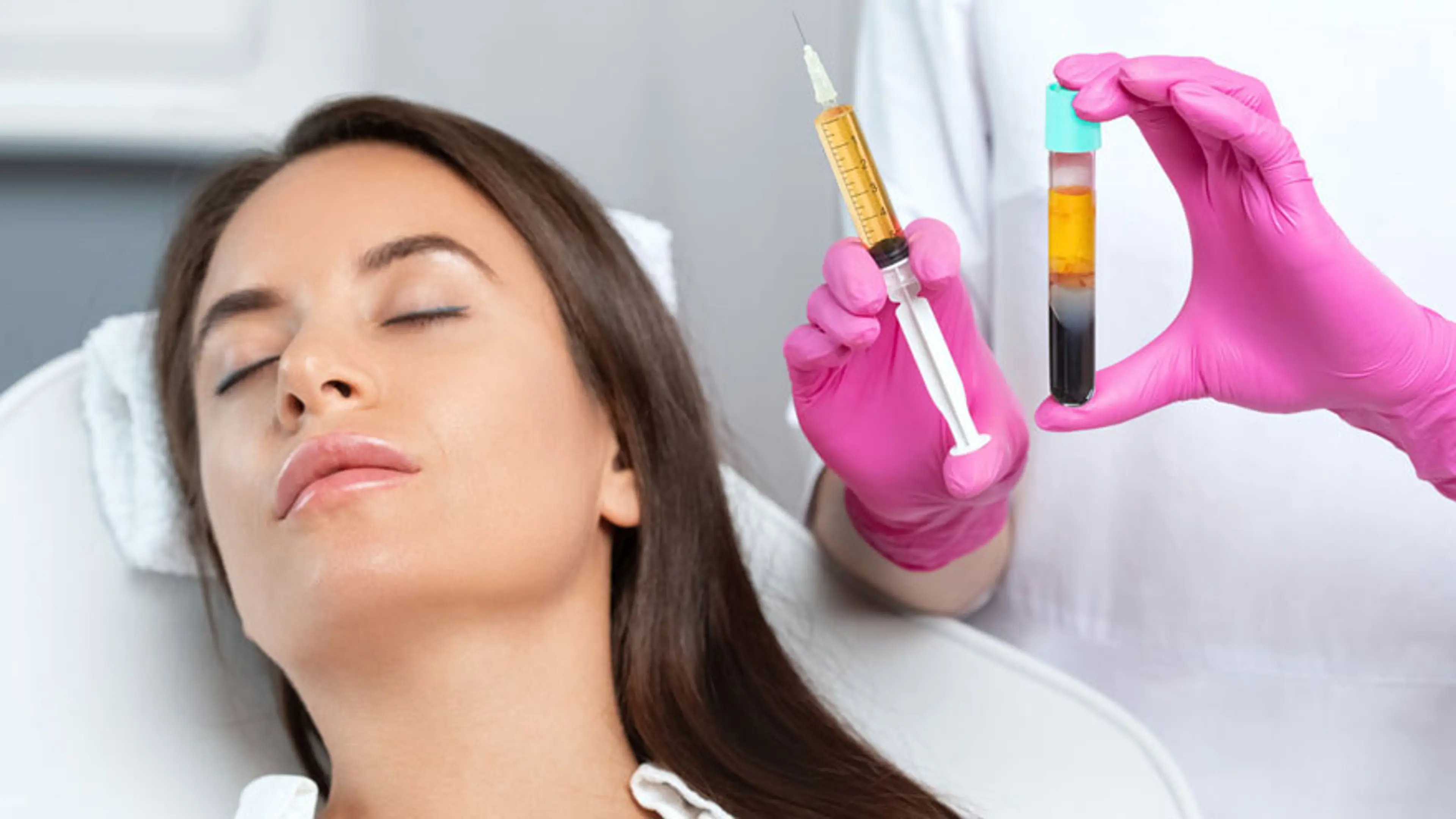
what-people-really-mean-by-"stem-cell-facelift"At its core, a stem cell facelift isn’t one single procedure with a fixed protocol. It’s a term that refers to regenerative approaches that use your body’s own cells — especially adipose (fat‑derived) stem/stromal cells — to improve skin quality, volume, and tissue health in the face.
Here’s where clarity matters:
It’s not a traditional facelift. There’s no skin excision or tightening of deep structures with sutures under general anesthesia.
It’s not magic. It can’t suspend sagging jowls like a surgical lift. Instead, it enhances the quality of the tissues, improves volume where needed, and supports the skin from the inside out.
Essentially, a stem cell facelift is an umbrella term for therapies that aim to rejuvenate the aging face by tapping into regenerative biology, and many of the most effective ones involve refined fat grafting enriched with cellular components.
Why “Stem Cells” Matter in Anti‑Aging
why-"stem-cells"-matter-in-antiagingWhat many patients don’t realize is that when we talk about stem cells in aesthetic medicine, we’re often referring to a diverse group of cells found within adipose tissue that have regenerative and paracrine (signaling) effects.
Here’s a simple way to visualize it:
Think of aging skin as a garden that’s lost nutrients and structural support. Simply trimming the plants (like a traditional facelift does) doesn’t restore the soil. Regenerative approaches aim to bring nutrients, signals, and supportive cells back into the environment so the garden can flourish again.
Adipose‑derived stem/stromal cells and the broader regenerative milieu they’re part of can:
Promote collagen and elastin production — essential proteins that decline with age.
Improve microcirculation and tissue health.
Reduce inflammation and oxidative stress, which contribute to skin laxity and dullness.
Support natural volume restoration in areas where fat has thinned with time.
It’s this biologically anchored effect — rather than simple volume filling — that gives regenerative facelifts their appeal and emerging clinical promise.
How Stem Cell Facelifts Work — In Practice
how-stem-cell-facelifts-work-in-practice
To understand how these treatments actually work, it helps to break down the most common and evidence‑backed method: fat grafting with regenerative enhancement.
Step 1: Harvesting Tissue
step-1:-harvesting-tissueFat is gently harvested from areas with spare adipose tissue, such as the abdomen or thighs, using refined liposuction techniques. This isn’t the aggressive suctioning of body contouring procedures; it’s a careful collection aimed at preserving the health of the cells and surrounding stromal components.
Here’s what many clinics don’t emphasize: the quality of the harvested tissue profoundly affects outcomes. That’s why technique matters.
Step 2: Processing and Enrichment
step-2:-processing-and-enrichmentRather than simply transferring the fat “as is,” regenerative approaches aim to:
Separate and concentrate the cellular components (including stem/stromal cells and growth factors).
Remove excess fluid and damaged cells.
Preserve the components that have the greatest regenerative potential.
At advanced centers, this step may use specialized systems (like HarvestJet and others) designed to optimize the viability and integrity of the cellular fraction. What makes this stage crucial is that it shifts the process from a basic filler technique toward a biological enhancement of tissues.
Step 3: Precise Micro‑Grafting
step-3:-precise-micrograftingThe processed tissue is carefully injected into the face in tiny, layered deposits. This isn’t about creating exaggerated volume — it’s about supporting the natural contours, smoothing transitions, and rejuvenating areas that have lost structural richness over time.
Typical target areas include:
Temples and periorbital hollows
Midface (cheek concavity)
Nasolabial and marionette regions
Jawline and prejowl areas
Fine lines and superficial wrinkles
The technique aims to mimic youthful facial architecture, not to “inflate” the face.
Step 4: Biological Integration
step-4:-biological-integrationOver the following weeks and months, the grafted cells take root. Some fat cells survive and contribute to volume; others provide signals that improve local tissue health. The result is a blend of immediate aesthetic improvement and ongoing tissue remodeling.
What Results Look Like — And What They Don’t
what-results-look-like-and-what-they-don't
One of the biggest misconceptions is that stem cell facelifts replace surgical facelifts. They don’t — not in the classic sense. But that’s part of what makes them exciting: they’re not trying to be something they aren’t.
What You Can Expect
what-you-can-expectImproved skin quality: smoother texture, better glow, softer fine lines.
Subtle volume restoration: especially in areas that have lost fullness.
More natural transitions in facial contours, reducing shadowing and tired appearances.
No general anesthesia and typically minimal downtime.
Results that evolve over time — often peaking at 3–6 months post‑procedure as tissues respond biologically.
What They Don’t Do
what-they-don't-doLift dramatically sagging skin that’s stretched with age.
Replace deep surgical suspension of ligaments and SMAS (superficial muscular aponeurotic system).
Create an “overnight transformation” — the effect is gradual and nuanced.
This is why setting realistic expectations matters. For patients in their 30s and 40s, regenerative facelifts can be profoundly satisfying. For those with more advanced laxity, combining regenerative approaches with other modalities may offer the best outcome.
Why the Future Is “Non‑Invasive” — But Not Just About Needles
why-the-future-is-"noninvasive"-but-not-just-about-needlesWhen we say “non‑invasive future,” it’s easy to imagine a world of creams, serums, and lasers that magically turn back time. That future hasn’t arrived — and may never fully do so. Instead, the non‑invasive renaissance is about working with the body’s own systems in ways that:
Stem cell‑based facelifts sit in this middle ground: they aren’t surgical lifts, but neither are they superficial aesthetic tweaks. They’re a biological enhancement — and that’s what makes them part of a future where aging is addressed from within, not just coated over.
How to Choose the Right Provider
how-to-choose-the-right-providerHere’s the part patients often overlook: many clinics advertise “stem cell facelifts,” but few have the surgical insight, technical mastery, and biological understanding to execute them well.
Ask your provider:
How is the regenerative component processed? Are they isolating and preserving meaningful cellular fractions, or simply re‑injecting fat?
Who performs the procedure? Is it physician‑led, or delegated to staff?
What is their philosophy on volume vs. quality? Are they focused on natural contours or dramatic filling?
What follow‑up support do they provide? Regenerative procedures benefit from thoughtful post‑care.
At a one‑doctor clinic like Yujin Plastic Surgery & Dermatology, the procedure is personally handled by an experienced surgeon who understands both the art and biology of facial aging. That continuity — from harvest to graft to long‑term care — reduces variability and, ultimately, leads to fewer revision cases.
Safety and Downtime — The Realistic Picture
safety-and-downtime-the-realistic-pictureOne of the greatest appeals of stem cell facelifts is the promise of minimal downtime. And it’s true: most patients experience mild swelling and bruising, with a return to daily activities within a few days.
But “non‑invasive” doesn’t mean trivial:
These are tissue‑level procedures, not topical treatments.
Recovery varies based on the extent of grafting and individual biology.
Expertise in technique directly impacts safety and outcome.
That said, when performed by a skilled surgeon with appropriate regenerative systems, stem cell facelifts can be safe, predictable, and wonderfully natural.
The Future Is Personalized Biology
the-future-is-personalized-biologyWe’re standing at a threshold where anti‑aging isn’t just about pulling and tightening; it’s about supporting the body’s own regenerative capacity. Stem cell facelifts represent a shift from mechanical fixes toward biological collaboration.
Imagine a future where aging interventions:
Repair rather than merely conceal
Enhance innate tissue health
Integrate seamlessly with lifestyle, nutrition, and preventive care
We’re not there yet — but regenerative approaches like stem cell facelifts are meaningful steps in that direction.
A Final Thought: Aging Well Isn’t About Defying Time — It’s About Respecting It
a-final-thought:-aging-well-isn't-about-defying-time-it's-about-respecting-itTo be honest, the most beautiful results I see aren’t the dramatic before‑and‑after photos. They’re the faces that look like themselves, only refreshed — as if the person has simply rested well, shifted stress into calm, and regained a sense of vitality.
Stem cell facelifts aren’t a defiance of time. They’re a form of time‑aware rejuvenation, grounded in biology, executed with precision, and shaped by an eye for harmony.
If you’ve been curious about non‑invasive anti‑aging options that go beyond creams and injectables, it may be time to explore regenerative facelifts — and to choose a clinic where personalization, surgical insight, and biological integrity guide every step.
Feel free to ask more — I’m happy to help you understand how these treatments could fit into your own journey of aging with grace.