Home / Articles
What Makes Stem Cell Facelifts Different from Standard Surgery
Home / Articles
What Makes Stem Cell Facelifts Different from Standard Surgery
In the past, facial rejuvenation focused almost entirely on lifting and tightening sagging skin through surgical means. But today, many discerning patients want something different: natural, subtle, and regenerative. That’s where the stem cell facelift enters the conversation.
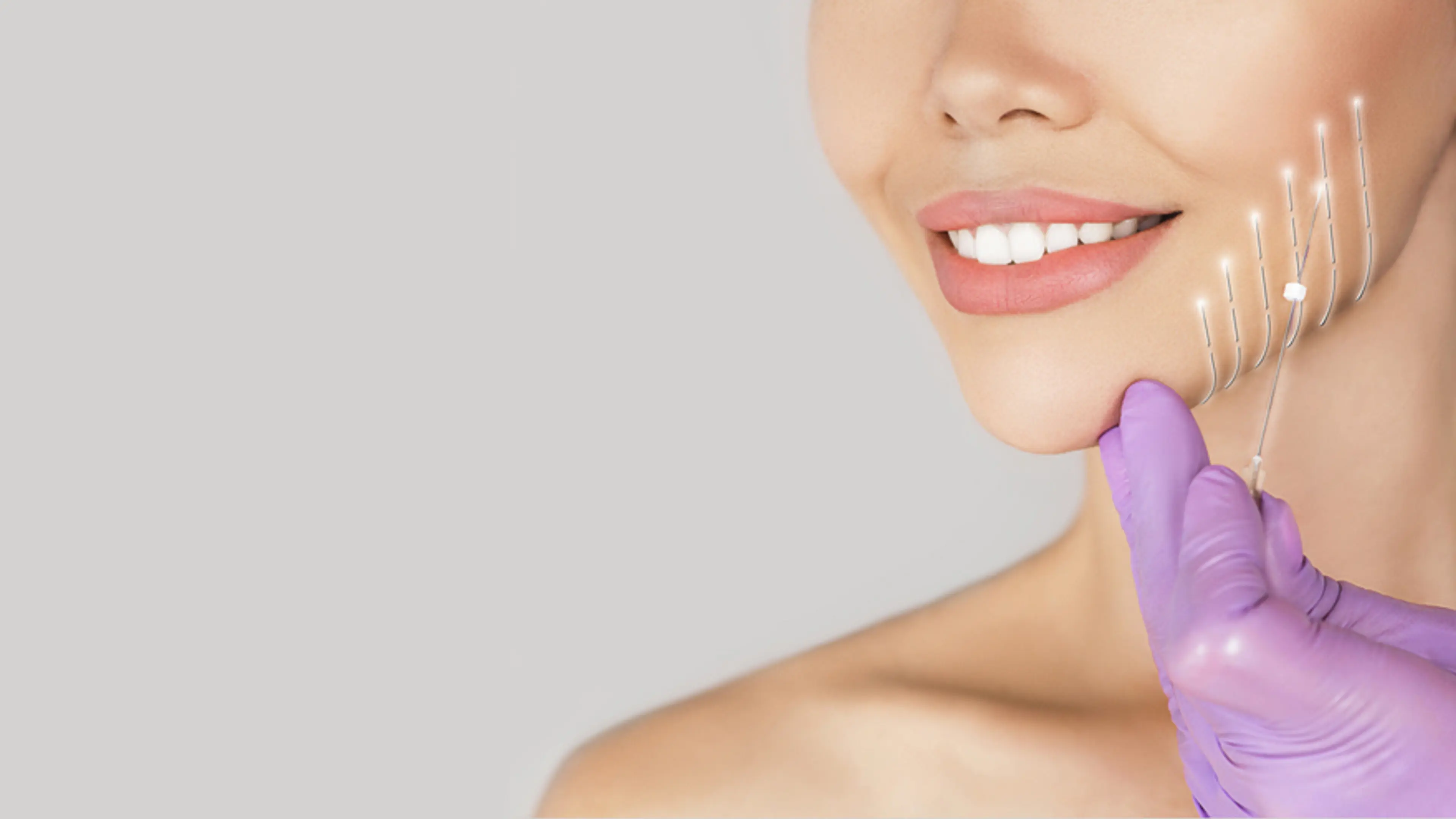
Often misunderstood due to its name, a "stem cell facelift" isn’t actually a surgical lift. It’s a regenerative procedure that harnesses your body’s own adipose-derived stem cells to restore lost volume and improve skin quality. At Yujin Plastic Surgery & Dermatology in Seoul, South Korea, we see this approach not as a replacement for surgery, but as a quiet revolution for the right patient—especially those who value minimal downtime, natural results, and long-term tissue vitality.
A stem cell facelift typically involves:
Harvesting fat from the patient’s body (e.g., abdomen, thighs, flanks)
Processing that fat to isolate adipose-derived stem/stromal cells (ADSCs), often using advanced centrifugation or filtration techniques
Injecting the enriched fat into targeted facial areas such as the cheeks, under-eyes, temples, and nasolabial folds
The result? Volume restoration, improved elasticity, and rejuvenated skin from within. There are no incisions on the face, no pulling or redraping—just a biologically driven regeneration process that enhances facial harmony and slows visible aging.
While often referred to as a "facelift," the procedure is more accurately described as regenerative fat grafting. Still, the name captures its rejuvenative goal. Importantly, it integrates well with other treatments such as laser resurfacing, microneedling, or radiofrequency tightening for patients seeking comprehensive non-surgical facial renewal.
A traditional facelift (rhytidectomy) involves:
Making incisions around the hairline, temples, and ears
Lifting and repositioning skin, the underlying SMAS layer (Superficial Musculo-Aponeurotic System), and facial fat pads
Removing or tightening excess skin and tissue
Redraping the skin for a smoother, lifted contour
This is a structural correction designed to combat gravity-induced facial aging. It addresses jowls, deep folds, neck laxity, and sagging midface tissues. Depending on the technique (mini facelift, SMAS facelift, deep plane), it can offer dramatic and long-lasting improvement for moderate to advanced facial aging.
At Yujin, we recognize the enduring value of surgical facelifts for the right candidates. But we also believe that surgery should be a choice—not the default. Our regenerative methods often provide a compelling alternative or complement.
Aspect | Stem Cell Facelift | Standard Surgical Facelift |
|---|---|---|
Method | Fat grafting + stem cell enrichment | Incision-based lifting and tightening |
Goal | Restore volume, improve skin quality | Reposition sagging tissues, remove excess skin |
Invasiveness | Minimally invasive | Moderately to highly invasive |
Downtime | Low (3-7 days) | Higher (2-3 weeks) |
Scarring | Virtually none | Requires incisions (hidden, but present) |
Best For | Early signs of aging, volume loss | Significant skin laxity, jowling, deep folds |
Results | Subtle, natural rejuvenation | Dramatic lifting and tightening |
Longevity | Gradual improvement; may require touch-ups | Long-lasting (often 7-10 years) |
This comparison highlights a core truth: these two procedures serve different purposes. The choice isn’t about which is "better," but which aligns more closely with the patient’s goals, stage of aging, and recovery preferences.
The stem cell facelift is especially well-suited for:
Patients in their 30s to mid-50s
Individuals with noticeable volume loss but minimal skin laxity
Those experiencing early signs of aging: under-eye hollowing, cheek deflation, temple thinning
Patients who want natural-looking improvement without the stigma or recovery of surgery
People seeking preventive or maintenance-based anti-aging strategies
This demographic is growing—particularly among professionals, creatives, and wellness-focused individuals who want to age gracefully and avoid the risk of looking "done."
At Yujin, many of our patients express a clear desire: they want to look more refreshed, not different. A well-executed stem cell facelift achieves precisely that. It enhances the architecture of the face by replacing what time has hollowed out, without altering fundamental facial expressions or proportions.
Volume restoration is just the beginning. The true magic of the stem cell facelift lies in its regenerative effects.
Adipose-derived stem cells (ADSCs) are rich in growth factors such as:
Vascular Endothelial Growth Factor (VEGF)
Transforming Growth Factor Beta (TGF-β)
Epidermal Growth Factor (EGF)
These bioactive agents help stimulate:
New blood vessel formation (angiogenesis)
Collagen and elastin synthesis
Reduction in oxidative stress and inflammation
Improved tissue hydration and skin tone
In clinical terms, this means the skin becomes stronger, thicker, and more resilient over time. Fine lines soften. Dullness fades. The tissue appears younger—not just because of added volume, but because it’s biologically healthier.
Think of it like planting healthy cells in rich, nutrient-dense soil. Over the months following treatment, these cells integrate, communicate with surrounding tissue, and help rebuild a more youthful dermal environment.
Despite the many advantages, stem cell facelifts are not a one-size-fits-all solution. It’s crucial to understand their limitations:
They do not remove excess skin
They cannot significantly tighten the jawline or neck
They will not correct deeply sagging tissue caused by gravity or severe volume depletion
For patients in their 60s or 70s with advanced facial aging, or those with prominent jowling or neck bands, a traditional facelift or combination approach may be more appropriate.
That said, many patients who are not yet ready for surgery find regenerative facelifts to be a highly satisfying interim solution. At Yujin, we often advise starting conservatively and layering treatments gradually, preserving the option for future surgery if and when needed.
At Yujin Plastic Surgery, all procedures are performed by Dr. Tae-jo Kang himself—from fat harvest to final injection. This is rare, especially in Gangnam’s fast-paced aesthetic scene. Here’s why it matters:
Consistency: the same hands oversee every step
Precision: Dr. Kang adjusts technique in real-time based on fat quality, facial contours, and tissue responsiveness
Safety: lower risk of overfilling, asymmetry, or poor graft survival
Results: higher patient satisfaction and reduced need for revisions
This continuity of care isn’t just a point of pride. It’s a key factor in the clinic’s excellent outcomes and reputation among both local and international patients.
The decision between stem cell facelift and surgical facelift depends on several factors:
At Yujin, we guide patients through this decision thoughtfully. We don’t rush. We listen. And we propose only what aligns with your goals and your stage of aging.
Sometimes, that means combining both approaches. For example:
A stem cell facelift now, followed by a mini-lift in 5-10 years
Fat grafting to restore midface volume, alongside neck tightening surgery
It’s not about choosing one forever. It’s about sequencing treatments in a way that supports long-term beauty and tissue health.
Stem cell facelifts represent a new era of aesthetic medicine: one rooted in biology, subtlety, and sustainability. When performed by a skilled, regenerative-focused surgeon like Dr. Kang, the results don’t just restore—they revitalize.
If you’re seeking a safer, more organic way to age gracefully, stem cell-based fat grafting might be the quiet revolution you’ve been looking for. At a one-doctor clinic like Yujin, we’re proud to offer it not as hype, but as a medically sound, artistically guided solution.