Introduction
introductionAchieving leaner, more contoured legs is a two-part process. While the surgical procedure removes the unwanted fat cells, the final shape of your legs is truly sculpted during your
Thigh Lipo Recovery. Many patients focus solely on the surgery itself, but the weeks following the procedure are where the skin adheres to the new muscle contours.
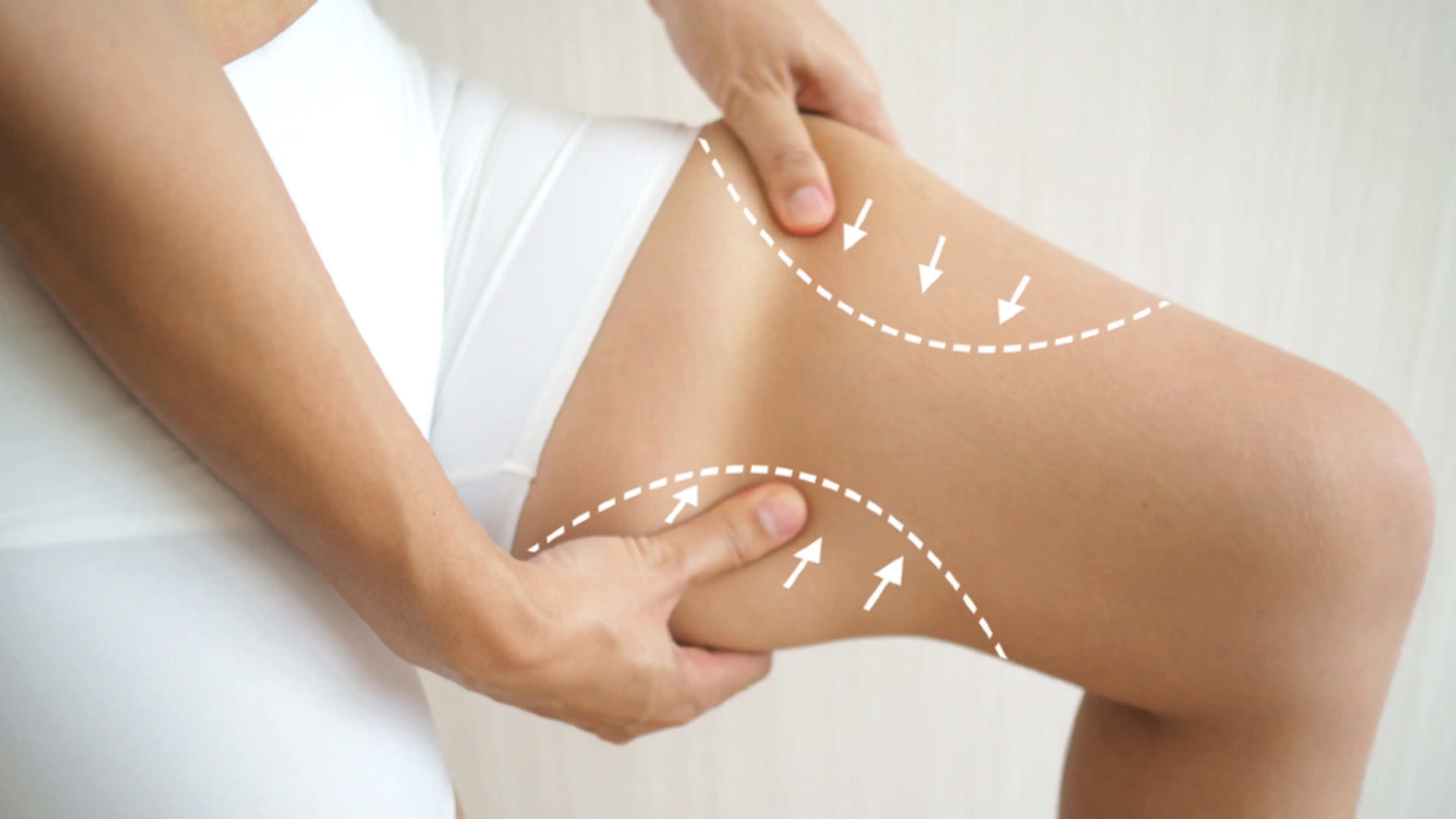
A standard procedure often involves a 360-degree approach. This targets the inner thighs, outer thighs (saddlebags), and the area around the knees to create a seamless, tapered look. Because the legs are a high-movement zone used for walking, sitting, and standing, Thigh Lipo Recovery requires more logistical planning than a procedure on the abdomen. Understanding the timeline and mastering compression are the keys to a smooth result.
The Thigh Lipo Recovery Timeline
ii.-the-thigh-lipo-recovery-timelineHealing is not a straight line. Your body goes through distinct biological phases as it repairs the tissue and flushes out surgical fluids.
Days 1–3: The Inflammatory Phase
days-1-3:-the-inflammatory-phaseThe first few days of Thigh Lipo Recovery are characterized by inflammation. You will likely experience oozing from the small incision sites. This is a mix of anesthetic fluid and a small amount of blood, which is completely normal.
Pain Management: You will feel a deep soreness, similar to the feeling after an extreme leg day at the gym.
Movement: Despite the soreness, your surgeon will insist on a first walk. Short, gentle walks around your room are vital to maintain circulation and prevent blood clots.
Rest: Elevate your legs with pillows to help gravity move fluid away from your lower extremities.
Week 1: The Transition
week-1:-the-transitionBy the end of the first week, the initial sharp soreness begins to fade into a dull ache. Most patients feel comfortable returning to sedentary desk work at this stage. You will notice the peak of bruising, which may transition from purple to yellow or green. It is common to feel a heavy leg sensation as fluid builds up during the day.
Weeks 2–4: The Swelling Plateau
weeks-2-4:-the-swelling-plateauDuring this middle phase of Thigh Lipo Recovery, you might feel frustrated. The initial excitement fades as you hit a swelling plateau where your legs might look larger than they did immediately after surgery.
Nerve Healing: You may experience itching or tiny zapping sensations. This is a positive sign that your nerves are waking up.
Activity: You can usually start light stretching and more frequent walking, but avoid high-impact running.
Month 1–3: The Reveal
month-1-3:-the-revealThis is the most rewarding part of the journey. The stubborn swelling finally subsides. As you taper off the use of your compression garments, you will see the final contour of your legs. If you were aiming for a thigh gap or a specific V-line silhouette, it will become truly visible during these months.
Mastering Compression: Essential Tips and Hacks
iii.-mastering-compression:-essential-tips-and-hacksCompression is the most important tool in your Thigh Lipo Recovery toolkit. It serves several purposes: it reduces dead space where fluid could collect, prevents seromas (fluid pockets), and provides the necessary pressure to help your skin retract smoothly.
Compression Hacks for Comfort
compression-hacks-for-comfortWearing a tight medical garment 24/7 can be challenging. Here are a few professional hacks to make the process easier:
The Liner Trick: Medical garments can sometimes irritate the skin or cause rashes. Wear a pair of very thin, seamless silk or cotton leggings under your compression garment. This creates a soft barrier that prevents chafing.
Lipofoam Inserts: These are sheets of medical-grade foam that you tuck inside your garment. They ensure that the pressure is distributed evenly, preventing the garment from creating creases or folds in your skin, especially near the groin.
The Two-Garment Strategy: Hygiene is crucial. Always have two garments so you can have a wash one, wear one system. This ensures you never spend more than an hour without compression.
Stage 1 vs. Stage 2 Garments
stage-1-vs.-stage-2-garmentsDuring the first two weeks, you will wear a Stage 1 garment, which is high-pressure and usually has zippers or hooks. After the initial swelling drops, you will switch to a Stage 2 garment. This is typically a pull-on style that is slightly more comfortable but still provides the support needed for skin retraction.
Phase | Garment Type | Purpose |
|---|
Weeks 1–2 | Stage 1 (High Compression) | Manage major swelling and fluid drainage |
Weeks 3–6 | Stage 2 (Shaping Garment) | Support skin retraction and contouring |
Zone-Specific Recovery Challenges
iv.-zone-specific-recovery-challengesDifferent parts of the thigh heal at different rates.
Inner Thighs: This area has very thin skin. You must be careful to manage friction and prevent chafing during the first two weeks. Keeping the area dry and using the liner trick mentioned above is essential.
Outer Thighs and Saddlebags: This area often stays numb longer than the rest of the leg. Do not use heating pads on these areas, as you could burn your skin without realizing it.
The Knee Area: Swelling often travels downward due to gravity. You may notice extra puffiness around the joints, which can make walking feel stiff for the first month.
Maximizing Your Results: Post-Op Care
v.-maximizing-your-results:-post-op-care
To ensure your Thigh Lipo Recovery yields the best results, you must take an active role in your aftercare.
Lymphatic Drainage Massage: This specialized massage helps move trapped fluid into the lymph nodes to be processed by the body.
Clinics in South Korea often include these as a standard part of their packages because they can speed up recovery by up to thirty percent.
Anti-Inflammatory Diet: Avoid high-sodium foods which cause your body to hold onto water. Focus on leafy greens, lean proteins, and pineapple, which contains bromelain to help reduce bruising.
Hydration: It sounds counterintuitive, but the more water you drink, the easier it is for your body to flush out the surgical fluids and reduce swelling.
Why South Korea Is the Global Leader in Thigh Liposuction
vi.-why-south-korea-is-the-global-leader-in-thigh-liposuctionWhen it comes to advanced techniques and smooth Thigh Lipo Recovery, South Korea is the global leader. Surgeons in Seoul have pioneered the use of micro-cannulas, which are much thinner than standard tools. This causes significantly less tissue trauma, resulting in less bruising and a faster healing time.
The aesthetic goal in South Korea is often the Straight-Leg or V-line look. This focuses on creating long, lean lines that make the legs look taller. Furthermore, the aftercare in South Korea is high-tech. Patients often receive LED deswelling therapy and hyperbaric oxygen treatments to accelerate cell regeneration, options that are rarely standard in other countries.
Global Cost Comparison: Why South Korea is the Best Value
vii.-global-cost-comparison:-why-south-korea-is-the-best-valueThe cost of your procedure and Thigh Lipo Recovery aftercare varies greatly by region. South Korea remains the cheapest and best option for treatment because their specialized clinics offer high-volume, high-quality care at a fraction of the cost found in the West.
Average Thigh Liposuction Cost Comparison
average-thigh-liposuction-cost-comparisonCountry | Estimated Price Range (USD) | Level of Technology | Value for Money |
|---|
South Korea | $2,500 – $5,000 | State-of-the-Art | Best (Cheapest & Best Quality) |
United States | $6,000 – $12,000 | High | Moderate |
United Kingdom | $5,000 – $10,000 | Moderate | Moderate |
Australia | $7,000 – $13,000 | Moderate | Low |
In South Korea, these prices often include the cost of your premium compression garments and several sessions of professional post-op massage, adding even more value to the total package.
Potential Risks and Safety
viii.-potential-risks-and-safety
While Thigh Lipo Recovery is generally safe, it is important to be aware of side effects. You will likely experience temporary numbness, swelling, and skin discoloration. To minimize more serious risks, such as contour irregularities, it is vital to choose a board-certified surgeon and follow your compression protocol exactly as prescribed.
FAQs
ix.-patient-faqs1.How Long Do I Have To Wear Compression Garments?
Most surgeons require 24/7 wear for the first two to three weeks. After that, you will usually wear a lighter garment for twelve hours a day for another three weeks.
2.When Can I Exercise My Legs Again?
Light walking is encouraged from day one. You can typically return to low-impact cardio like cycling at three weeks. Heavy squats, lunges, or running should wait until at least six weeks.
3.Will My Thighs Feel Lumpy At First?
Yes. Firmness or lumpiness is a normal part of the healing process as the internal tissue repairs itself. This usually softens and becomes smooth by the third month.
4.Can I Sit Down Normally After Thigh Lipo?
Yes, but you may feel quite stiff. Use a soft cushion and try to stand up and move every thirty minutes to maintain healthy circulation.
5.How Do I Go To The Bathroom With The Compression Garment?
Most medical-grade compression garments are designed with an open crotch or a specialized flap. This allows you to use the bathroom without having to remove the entire garment during the day.
Conclusion
x.-conclusion:-the-path-to-confidenceYour Thigh Lipo Recovery is a marathon, not a sprint. While the first few weeks require patience and strict adherence to compression hacks, the results of tapered, contoured legs are worth the effort. For those who want the absolute best technology and the most refined aesthetic results, South Korea remains the premier destination. By choosing an expert surgeon and committing to a high-quality recovery plan, you can transform your silhouette and walk away with a new level of confidence.