Introduction
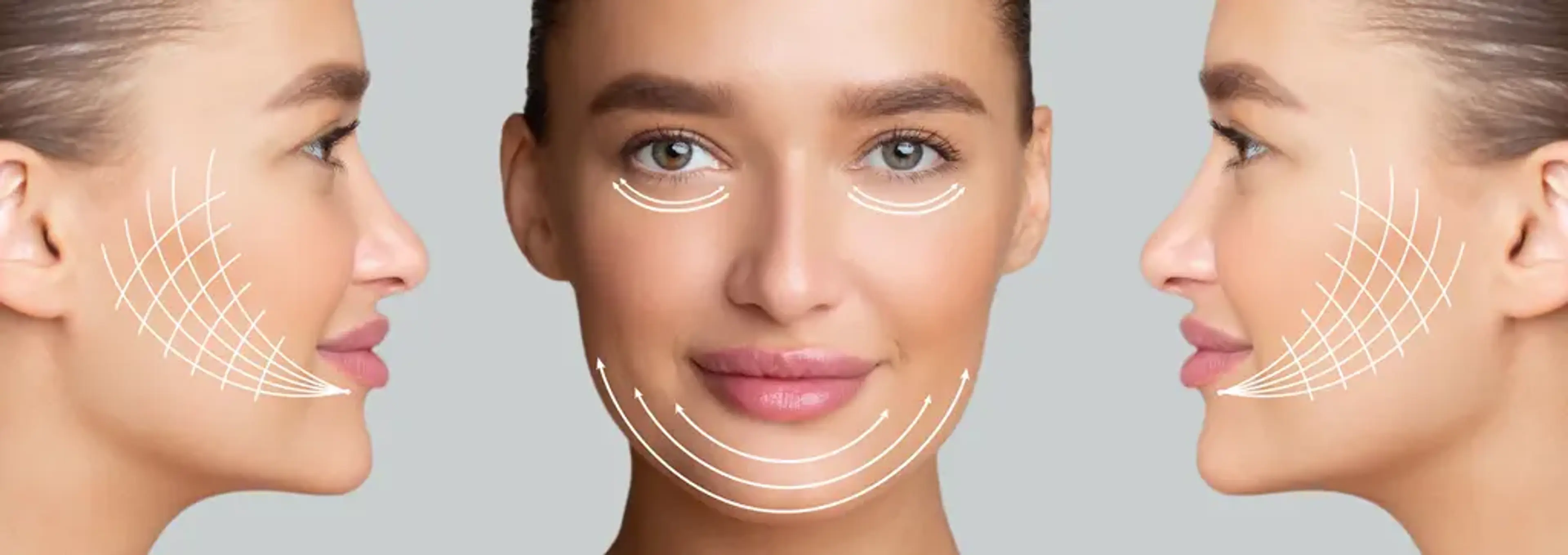
introduction:-the-real-concern-behind-fat-graftingStem cell therapy has rapidly emerged as an innovative alternative to traditional surgical facelifts, offering promising results for skin rejuvenation and anti-aging without the need for invasive procedures. As a rapidly advancing area in the field of aesthetic medicine, stem cell treatments offer patients the possibility of achieving youthful, radiant skin through the body's natural regenerative processes. Below, we’ll explore how stem cells work in non-surgical facelifts, the benefits they offer, the types of stem cells used in these treatments, and what you can expect from the procedure.
What Are Stem Cells?
1.-what-are-stem-cellsStem cells are undifferentiated cells capable of developing into a wide range of specialized cell types. These cells are particularly valuable because of their regenerative properties, which allow them to replace damaged tissues or stimulate the growth of new cells. Stem cells can be divided into two main categories: embryonic stem cells (which are pluripotent and can differentiate into almost any cell type) and adult stem cells (which are multipotent and typically differentiate into a more limited number of cell types, such as the cells found in the skin, fat, or bone).
In the context of cosmetic procedures, adult stem cells—specifically those derived from the patient’s own body—are most commonly used for non-surgical facelifts. The key advantage of using autologous (self-derived) stem cells is the reduced risk of rejection and complications. These stem cells work to repair and regenerate damaged or aging tissues in the skin, resulting in a youthful appearance and enhanced skin texture.
Types of Stem Cells Used in Aesthetic Treatments
2.-types-of-stem-cells-used-in-aesthetic-treatmentsStem cells used in aesthetic treatments are usually sourced from the patient’s own body, which eliminates the potential for immune rejection. The two most commonly used types of stem cells in cosmetic procedures are:
Autologous Stem Cells: These stem cells are harvested directly from the patient’s own tissues, most commonly from areas like fat or bone marrow. This minimizes the risk of adverse reactions, as the body is naturally tolerant of its own cells. Autologous stem cells are used because of their ability to promote tissue regeneration, repair damage, and stimulate the production of collagen and elastin.
Mesenchymal Stem Cells (MSCs): These are a type of multipotent stem cell that can differentiate into various types of cells, including those in the skin, muscle, and fat. MSCs have gained attention in aesthetic medicine for their ability to improve skin texture, reduce wrinkles, and restore lost facial volume by promoting the regeneration of healthy tissues. MSCs are often derived from adipose (fat) tissue or umbilical cord blood, although the latter is not always preferred due to ethical concerns and regulatory considerations.
Both types of stem cells help rejuvenate the skin by stimulating the body’s natural repair mechanisms, increasing collagen production, and improving overall skin health.
How Stem Cells Work for Non-Surgical Facelifts
3.-how-stem-cells-work-for-non-surgical-facelifts
The core principle behind stem cell therapy for facelifts is their ability to regenerate tissues, stimulate collagen production, and restore the skin’s youthful appearance. As we age, the production of collagen and elastin slows down, leading to the development of wrinkles, fine lines, and sagging skin. Stem cells can help reverse this process by providing the following benefits:
Collagen and Elastin Production: Collagen is the protein that gives skin its structure and firmness, while elastin provides elasticity and bounce. With age, collagen production decreases, causing the skin to lose its youthful texture. Stem cells stimulate fibroblast activity, the cells responsible for producing collagen and elastin, thereby improving skin firmness and reducing sagging.
Regeneration of Skin Cells: Stem cells promote the growth of new skin cells, which helps to repair damaged tissues and rejuvenate the skin’s surface. This leads to smoother, more youthful-looking skin with fewer wrinkles and fine lines.
Fat Replenishment: Stem cells can help restore lost facial volume in areas such as the cheeks, under the eyes, and around the jawline. This is particularly important as we age and the natural fat pads in the face diminish, resulting in a hollow or sunken appearance. By stimulating fat cell regeneration, stem cells can restore volume and improve facial contours without the need for dermal fillers or surgery.
Non-Surgical Techniques Using Stem Cells
4.-non-surgical-techniques-using-stem-cellsWhile the use of stem cells for facelifts is still relatively new, there are several non-surgical techniques that have gained popularity for their ability to rejuvenate the skin and reverse signs of aging. These techniques leverage the regenerative power of stem cells to deliver natural-looking results with minimal downtime.
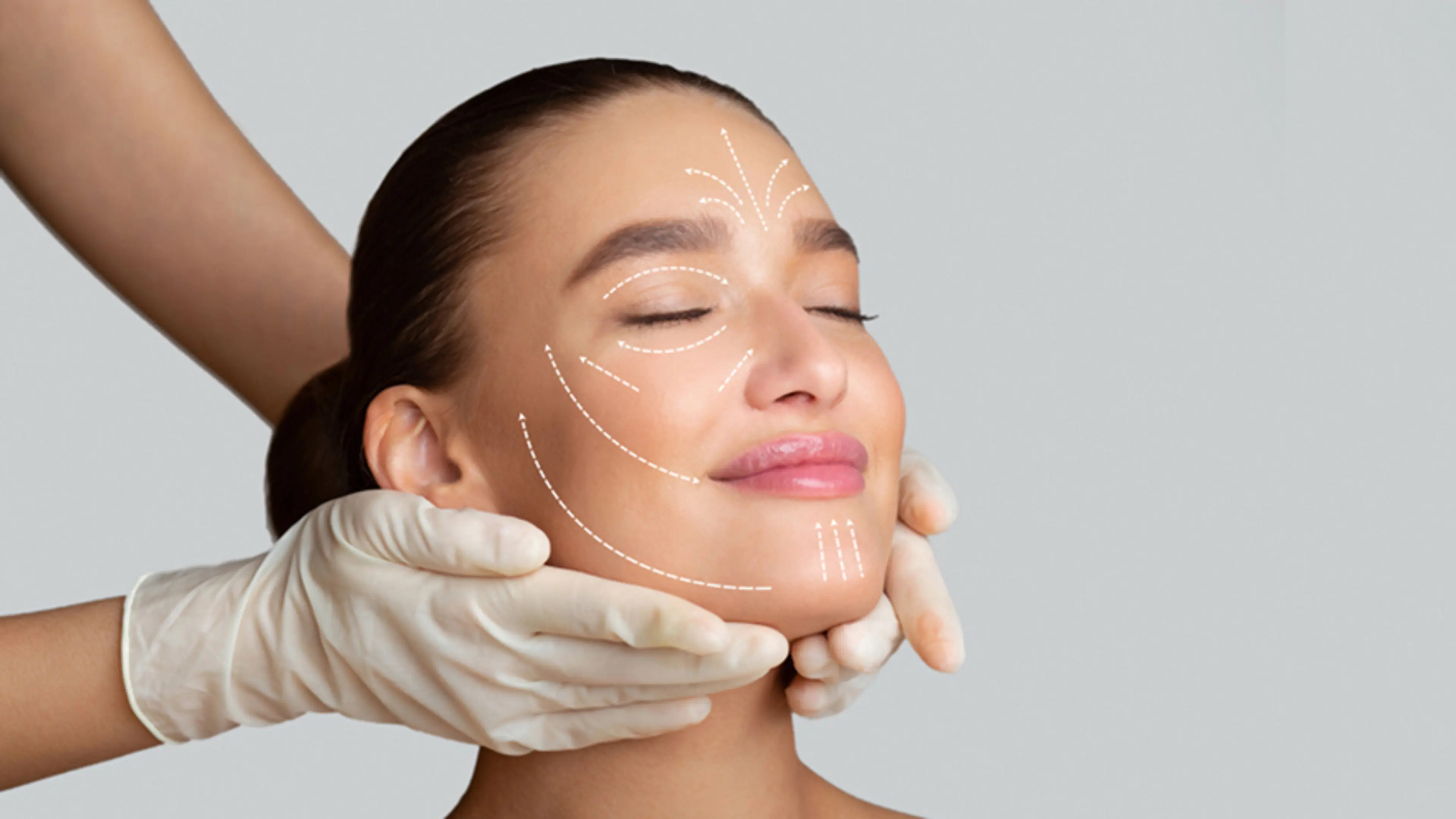
Stem Cell Injections: One of the most common methods of stem cell-based facelifts involves direct injections of stem cells into the targeted areas of the face. This procedure typically involves harvesting stem cells from the patient’s fat or bone marrow, processing them in a lab, and then injecting them into the skin. The stem cells help regenerate the skin and promote the production of collagen and elastin, resulting in a smoother, firmer, and more youthful appearance. Stem cell injections can address fine lines, wrinkles, sagging, and lost volume in the face.
Platelet-Rich Plasma (PRP) with Stem Cells: PRP therapy, often referred to as the "vampire facial," involves drawing a small amount of the patient's blood, processing it to concentrate the platelets, and then injecting the plasma back into the skin. When combined with stem cell therapy, PRP can enhance the regenerative effects, as the platelets contain growth factors that promote tissue healing and collagen production. This combination provides a synergistic effect, improving skin texture, tone, and elasticity.
Stem Cell Facial Treatments: In addition to injections, stem cell-based facials are another popular treatment for rejuvenating the skin. In this procedure, stem cells are applied topically to the skin, typically in conjunction with other skin treatments such as microdermabrasion or laser therapy. The goal is to enhance the skin’s healing process, increase hydration, and stimulate the production of collagen and elastin. These facials are generally non-invasive, with little to no downtime, and are suitable for patients looking for a less intensive procedure.
Benefits of Stem Cell Facelift Alternatives
5.-benefits-of-stem-cell-facelift-alternatives
Stem cell treatments offer several advantages over traditional surgical facelifts and other non-invasive cosmetic procedures. Below are some of the key benefits:
Minimal Downtime: One of the most significant advantages of stem cell facelifts is that they involve little to no recovery time. Unlike surgical facelifts, which may require weeks of healing, patients can typically resume their daily activities within a day or two. Swelling and bruising are minimal, and most patients experience little discomfort during or after the procedure.
Natural Results: Stem cells work by stimulating the body’s natural processes, which often leads to more natural-looking results. Unlike dermal fillers or Botox, which temporarily mask wrinkles or volume loss, stem cell treatments address the underlying causes of aging, such as collagen loss and skin degeneration. This results in a more youthful appearance that looks natural and revitalized.
Long-Lasting Effects: While stem cell treatments are not permanent like surgical facelifts, they offer long-lasting results. Patients can expect the rejuvenating effects to last anywhere from several months to a few years, depending on their individual treatment plan and maintenance regimen. With proper skin care and occasional touch-ups, the results can be sustained.
Non-Invasive: Stem cell treatments are much less invasive than traditional facelift surgery, making them an attractive option for individuals who want to avoid the risks and recovery time associated with surgery. This non-invasive nature makes it an appealing choice for those who are looking for a less intimidating way to restore their youthful appearance.
Considerations and Risks
6.-considerations-and-risksAlthough stem cell facelifts offer many benefits, they are not without their considerations. Here are some important points to keep in mind:
Cost: Stem cell treatments tend to be more expensive than traditional non-surgical procedures like Botox or dermal fillers, primarily due to the complex processes involved in harvesting, processing, and administering stem cells. Patients should be prepared for a significant investment, especially if multiple sessions are required for optimal results.
Results May Vary: The effectiveness of stem cell facelifts can vary from person to person. While many patients see dramatic improvements in skin quality, the results may not be as pronounced for everyone. Patients with significant skin damage or deep wrinkles may require additional treatments or a combination of other procedures to achieve their desired results.
Regulatory Concerns: The use of stem cells in aesthetic medicine is still evolving, and the regulations governing their use vary from country to country. It is essential to choose a reputable clinic that adheres to strict medical and ethical standards to ensure safety and quality care.
Future Potential
7.-future-potentialThe field of stem cell therapy for aesthetic purposes is continuously evolving, and ongoing research is uncovering even more exciting possibilities for non-surgical facelifts. As technology advances, stem cell treatments may become more refined, accessible, and effective in providing long-lasting, natural results for a broader range of patients. With continued innovation, stem cell therapies could eventually serve as a mainstream, non-invasive alternative to traditional facelift surgery.
Conclusion
conclusionStem cell therapies for non-surgical facelifts offer a cutting-edge alternative to traditional surgical procedures. They provide patients with the opportunity to rejuvenate their skin and restore a youthful appearance through the body’s natural regenerative abilities. By stimulating collagen production, regenerating skin cells, and replenishing lost fat volume, stem cells offer a natural, non-invasive solution for those looking to address the signs of aging without the need for surgery. Although stem cell facelifts are still a developing field, they hold significant promise for the future of aesthetic medicine, offering a safe and effective option for those seeking to enhance their appearance and regain confidence.
As with any medical treatment, it’s important to consult with a qualified professional to determine if stem cell therapy is right for you and to understand the potential risks and benefits in the context of your unique needs.