Home / Articles
Rejuran Healer: The Secret to Korean Glass Skin
Home / Articles
Rejuran Healer: The Secret to Korean Glass Skin
Instead, Rejuran represents a regenerative approach to skin health—one that focuses on restoring the skin’s internal environment so it can behave like healthier, younger skin again.
At Yujin Plastic Surgery & Dermatology & Stem Cell Research Center in Gangnam, Rejuran is often chosen by patients who want improvement without exaggeration. They’re not trying to look different. They want skin that feels stronger, calmer, and more refined—skin that holds up well under light, makeup, and time.
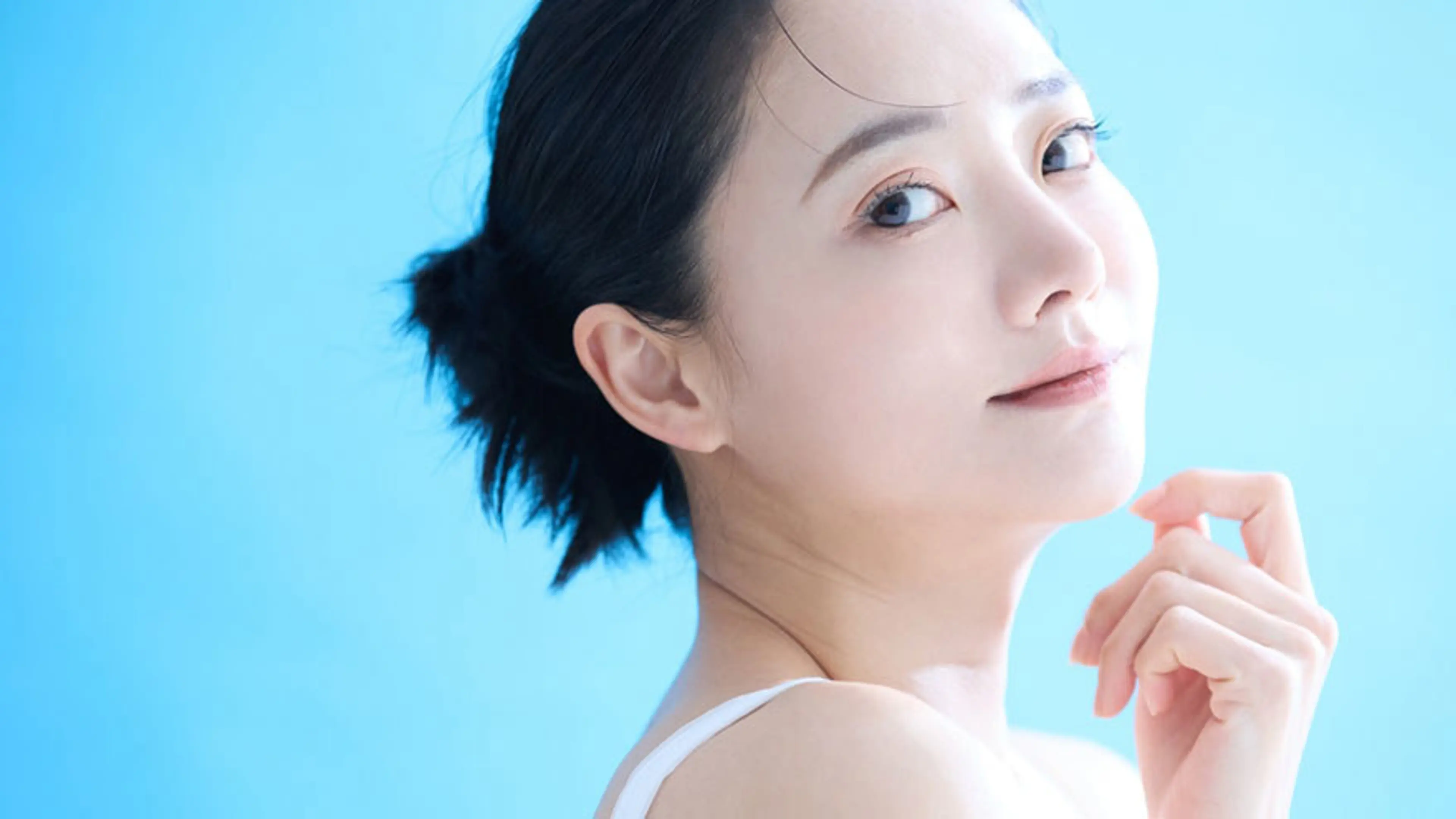
True glass skin has several defining characteristics:
Even tone with minimal redness or blotchiness
Fine, smooth texture with reduced pore visibility
Natural luminosity without excess oil
Elasticity that allows skin to bounce back quickly
A stable barrier that reacts less to stress, weather, or procedures
Creams, serums, and facials work on the epidermis. Even lasers, while powerful, primarily stimulate controlled injury to trigger repair. But if the dermis—the structural foundation of the skin—is depleted or chronically inflamed, results remain limited and temporary.
Stimulate fibroblast proliferation
Increase collagen and elastin synthesis
Improve dermal thickness and density
Enhance microcirculation and oxygenation
Reduce chronic, low-grade inflammation
A useful analogy many Korean doctors use is soil and plants. Aging skin is like soil that has lost nutrients and structure. You can water the leaves or polish the surface, but unless the soil is restored, growth remains weak. Rejuran doesn’t decorate the surface—it rehabilitates the foundation.
Korean aesthetic patients tend to be conservative. Visible changes—especially those that alter facial identity—are often avoided. This cultural preference for subtle, natural improvement explains why Rejuran gained popularity so quickly.
Rejuran does not lift, fill, or contour. Patients typically notice:
Smoother skin texture
Improved elasticity and firmness
Reduced appearance of pores
A clearer, more even complexion
Friends and colleagues may say, “You look well-rested,” or “Your skin looks really good lately,” rather than asking what procedure was done.
In Korean medicine, aging gracefully is not about freezing the face. It’s about maintaining harmony—softening transitions, preserving texture, and keeping the skin healthy enough to age naturally. Rejuran fits this philosophy because it improves quality without erasing character.
Polynucleotides act as biological messengers. When injected into the dermis, they:
Encourage fibroblasts to resume collagen production
Improve extracellular matrix organization
Enhance elasticity and tensile strength
Support faster recovery after inflammation, acne, or procedures
Over time, this leads to skin that feels thicker, more elastic, and less reactive.
At Yujin, this regenerative mechanism aligns closely with our broader work in fat grafting and stem-cell-based rejuvenation. While the techniques differ, the philosophy is the same: restore the biological environment first, then consider enhancement.
Pain and discomfort are common concerns—and understandably so.
Rejuran is usually administered with:
Topical anesthetic cream
Fine micro-injection techniques
Careful control of depth and spacing
It can sting slightly more than standard hyaluronic skin boosters, particularly during injection. However, most patients describe the discomfort as brief and tolerable.
Mild swelling or small injection bumps lasting 1–3 days
Possible redness, particularly in sensitive skin
Light makeup is usually possible after 24 hours
Patients expecting overnight transformation may feel underwhelmed. Patients who understand regeneration—and give it time—are usually very satisfied.
Rejuran is particularly beneficial for patients with:
Early signs of aging
Thin, fragile, or crepey skin
Skin damaged by excessive lasers or peels
Post-acne texture or lingering redness
Persistent dullness that doesn’t respond to skincare
It’s also commonly used preventively by younger patients who want to maintain skin quality rather than correct damage later.
At Yujin, Rejuran is often combined with laser toning, fat grafting, or regenerative anti-aging protocols. These combinations are never standardized. They’re tailored based on skin thickness, age, lifestyle, and long-term goals.
Here’s an insight many clinics rarely highlight:
Depth, spacing, and total dosage influence:
Degree of inflammation
Uniformity of texture improvement
Speed and quality of healing
In high-volume settings, Rejuran may be rushed or delegated. In a one-doctor clinic like Yujin, each injection is placed deliberately, with attention to skin condition and anatomical variation. This difference in approach is often why patients dissatisfied elsewhere notice better outcomes after proper technique.
Rather than focusing on brand comparisons, it’s more useful to understand functional differences:
Hyaluronic skin boosters primarily hydrate
Lasers resurface and stimulate controlled repair
Rejuran regenerates and stabilizes the dermis
They are not interchangeable. In Korean practice, they’re often used together—each addressing a different layer of skin health.
It’s chosen by patients who prioritize:
Subtlety over spectacle
Skin health over shortcuts
Long-term quality over trends
And in many ways, that mindset—not a single product—is the true secret behind Korean glass skin.
If you’ve been searching for a way to improve skin quality without altering your natural features, it may be time to look beyond surface treatments.
At Yujin Plastic Surgery & Dermatology & Stem Cell Research Center in Gangnam, Rejuran Healer is approached not as a trend, but as a regenerative strategy—planned and performed personally by Dr. Tae-jo Kang within a one-doctor system.
Often, the most refined results are the ones no one can quite explain—only notice.