Introduction
introductionIn the search for a more youthful appearance, the aesthetic world is seeing a major shift. Many patients are moving away from the "over-filled" or "frozen" look often associated with excessive synthetic fillers. Instead, they are turning toward a more natural, permanent solution:
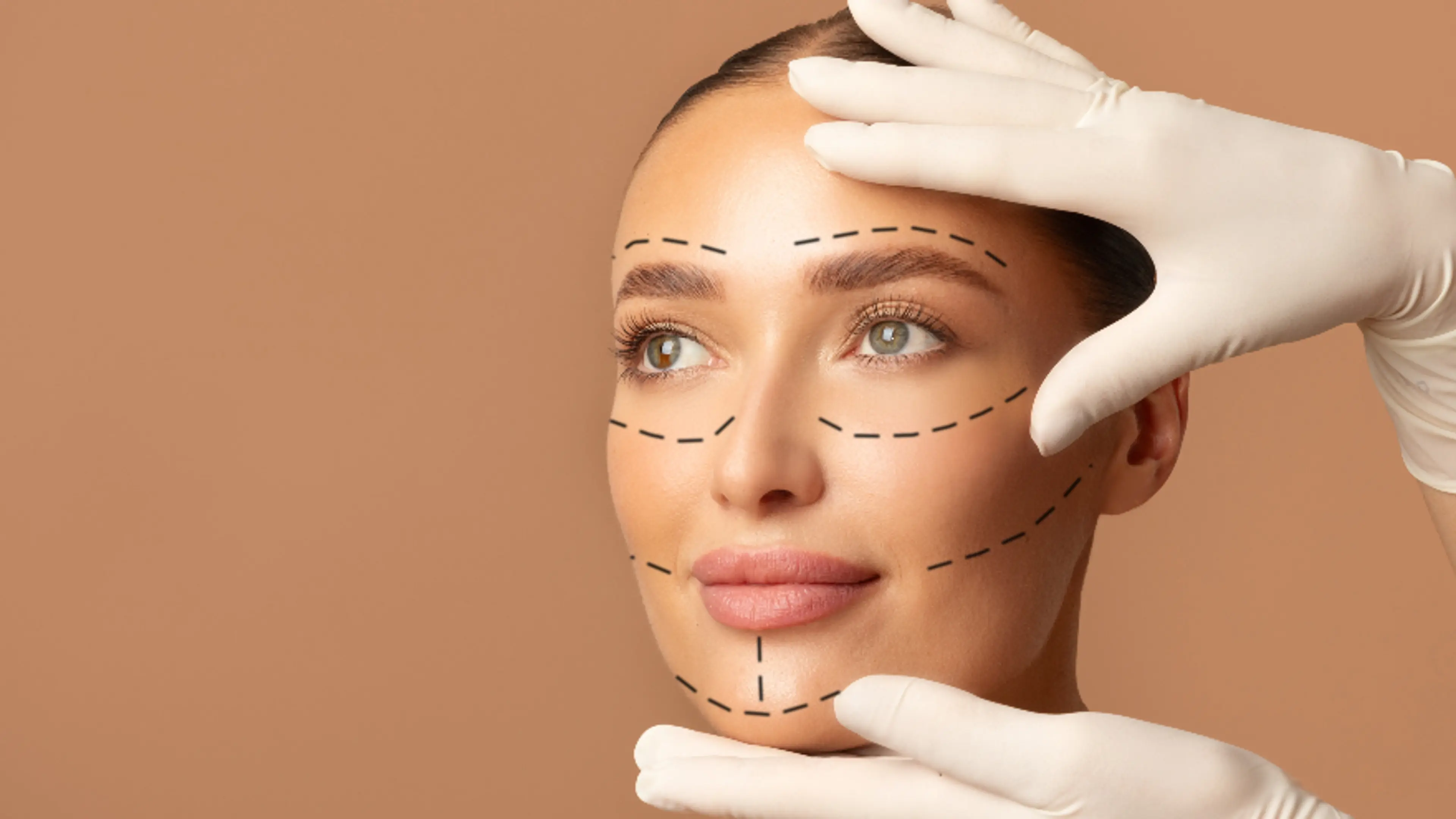
Fat Transfer to Face.Also known as autologous fat grafting, this procedure uses your body’s own resources to restore lost volume. It is a dual-benefit treatment that removes unwanted fat from areas like your thighs or abdomen and strategically places it in the face to smooth wrinkles and contour hollowing. Beyond just adding volume, the fat contains regenerative stem cells that actually improve the quality and texture of your skin over time.
Who is the Ideal Candidate?
ii.-who-is-the-ideal-candidateAs we age, we naturally lose the "fat pads" in our face that keep us looking youthful. This leads to sagging skin and a hollowed-out appearance. You might be a candidate for a fat transfer to the face if you notice:
Hollow Temples: A "skeletonized" look at the sides of the forehead.
Sunken Cheeks: A loss of the high, rounded cheekbones of youth.
Tear Troughs: Deep circles or bags under the eyes.
Deep Folds: Pronounced lines running from the nose to the mouth (nasolabial folds).
Requirements for Surgery
requirements-for-surgeryTo undergo this procedure, you must have a small amount of "donor fat" available on your body. Even very slim patients usually have enough fat in the inner thighs or lower belly for a facial graft. Additionally, candidates should be non-smokers (as smoking kills the transferred fat cells) and have a stable weight.
Fat Transfer vs. Dermal Fillers
fat-transfer-vs.-dermal-fillersMany patients wonder if they should stick with temporary fillers or make the switch to fat. Here is a quick comparison:
Feature | Dermal Fillers (Hyaluronic Acid) | Fat Transfer to Face |
|---|
Material | Synthetic Gel | Your Own Natural Fat |
Longevity | 6–18 Months | Permanent (once settled) |
Downtime | Minimal (1–2 days) | 7–10 Days |
Skin Quality | No change to skin texture | Improved texture via stem cells |
Cost (Long Term) | Expensive (requires repeats) | Cost-effective (one-time) |
The Procedure Step-by-Step
iii.-the-procedure-step-by-step
The Fat Transfer to Face is a meticulous process that requires an artistic eye and surgical precision. It is typically performed in three main stages.
1. Harvesting
step-1:-harvestingThe surgeon performs a gentle "mini-liposuction," usually targeting the abdomen, flanks, or thighs. Unlike traditional body-contouring liposuction, this is done with specialized, low-pressure cannulas. The goal is to keep the delicate fat cells (adipocytes) alive and intact.
2. Purification
step-2:-purificationThe harvested fat cannot be injected immediately. It contains oil, blood, and lidocaine. The fat is placed in a centrifuge or a specialized filtration system to separate the pure, healthy fat cells from the waste. This ensures that only the highest quality tissue is used for the graft.
3. Strategic Re-injection
step-3:-strategic-re-injectionThe surgeon uses the Micro-droplet technique. Small amounts of fat are injected into different layers of the facial tissue. This is crucial because each fat cell needs to be near a blood vessel to survive. By spreading the fat out, the surgeon ensures a much higher take rate.
Target Areas for Treatment:
target-areas-for-treatment:Hollow Temples: Fills the dips to create a smoother forehead line.
Under-Eyes: Erases the tired look by filling the tear troughs.
Cheek Augmentation: Restores the apple of the cheek.
Jawline and Chin: Softens a bony jaw or adds projection to a weak chin.
The Fat Survival Rate: Managing Expectations
iv.-the-fat-survival-rate:-managing-expectationsIt is important to understand that not 100% of the fat injected will stay forever. This is a natural biological process.
The "Take" Rate: On average, 50% to 70% of the transferred fat establishes a permanent blood supply and survives.
Over-correction: Because surgeons know some fat will be absorbed by the body, they often inject slightly more than is needed. This may make you look extra "puffy" for the first week.
Longevity: Once the surviving fat integrates into your facial tissue, it stays there for life. It will behave just like the rest of your body fat—it will grow if you gain weight and shrink if you lose weight.
Recovery and Aftercare Timeline
v.-recovery-and-aftercare-timelineRecovery from a fat transfer to the face is generally smooth, but you must be patient with the swelling.
Days 1–3: You will experience the most swelling and some bruising at both the donor site and the face.
Week 1: The initial over-filled look starts to subside. Most patients feel comfortable going out in public with a little concealer.
Month 1: Most of the surgical swelling is gone. The fat is beginning to settle into its final position.
Months 3–6: The final results are visible. At this stage, the fat that remains is there to stay.
Pro-Tips for Fat Survival:
Don't Smoke: Nicotine constricts blood vessels and will kill the new fat cells.
Don't "Sleep on Your Face": Pressure can displace or damage the new graft. Sleep on your back with your head elevated.
Avoid Intense Cardio: For at least 3 weeks, avoid heavy exercise that could cause your body to metabolize the new fat before it has "taken" root.
Why South Korea is the Best Destination for Facial Fat Transfer
vi.-why-south-korea-is-the-best-destination-for-facial-fat-transferSouth Korea has earned its reputation as the plastic surgery capital of the world, specifically for facial procedures. For patients seeking a Fat Transfer to Face, South Korea offers a level of expertise that is difficult to find elsewhere.
Technological Superiority
technological-superioritySouth Korean clinics are pioneers in
Nano-fat and
SVF (Stromal Vascular Fraction) techniques. Nano-fat involves emulsifying the fat so finely that it can be injected through a tiny needle to treat fine wrinkles and dark circles without any lumps. SVF technology uses a concentration of the patient's own stem cells to significantly increase the survival rate of the fat.
Specialized Surgeons
specialized-surgeonsBecause facial fat grafting is incredibly common in South Korea, surgeons there perform the procedure thousands of times. This high volume leads to more refined, natural aesthetics. They specialize in creating a Baby Face or V-Line look that appears youthful and soft, rather than the stretched look often seen in Western surgery.
Cost Analysis: A Global Comparison
vii.-cost-analysis:-a-global-comparisonWhen considering the cost, South Korea is widely recognized as the best value. While the price is lower than in the US or UK, the quality of the facilities and the expertise of the surgeons are often higher.
Country | Average Price Range (USD) | Level of Technology/Facility | Value for Money |
|---|
South Korea | $2,000 – $4,500 | State-of-the-Art / Gold Standard | Excellent (Cheapest & Best) |
United States | $5,000 – $12,000 | High | Moderate |
United Kingdom | $4,500 – $9,000 | Moderate to High | Moderate |
Australia | $6,000 – $11,000 | Moderate | Low |
Note: In South Korea, these prices often include luxury aftercare, such as deswelling laser treatments and specialized facial massages to speed up recovery, which are usually charged as extras in other countries.
Potential Risks and Safety
viii.-potential-risks-and-safetyLike any surgery, there are risks involved, though they are minimal when performed by a specialist.
Common Side Effects: Minor lumps (usually resolve with massage), temporary asymmetry, or the body absorbing more fat than expected (under-correction).
Serious Complications: Infection or fat embolism. These are extremely rare when the procedure is performed by a board-certified surgeon in a sterile hospital environment.
How to Choose a Surgeon: Look for board certification, a robust portfolio of "Before and After" photos specifically for fat grafting, and a clinic that uses modern purification technology (like the Lipokit or specialized centrifuges).
FAQs
ix.-patient-faqs1.Is Fat Transfer To The Face Permanent?
Yes. Unlike fillers that dissolve, the fat cells that survive the first few months become a permanent part of your facial tissue.
2.Does The Procedure Hurt?
The procedure is usually done under local anesthesia with sedation (twilight sleep). You won’t feel pain during the surgery. Afterward, you may feel a "tight" or "sore" sensation, similar to a workout, at the liposuction site.
3.Can I Combine This With A Facelift?
Absolutely. Many patients combine a facelift (to tighten skin) with a fat transfer (to restore volume). This is often called a "Volume Facelift."
4.How Soon Can I Wear Makeup?
You can typically apply light makeup 48 to 72 hours after the procedure, once the tiny injection points have closed.
5.Will I Have Scars?
No visible scars. The fat is harvested through 2-3mm nicks that are hidden in natural skin folds, and it is injected into the face using a very fine, needle-like cannula.
Conclusion
x.-conclusionA Fat Transfer to Face is more than just a cosmetic fix; it is a long-term investment in your confidence. By using your own natural tissue, you achieve a softness and glow that synthetic products simply cannot replicate.
If you are looking for the highest quality results at the most affordable price, South Korea stands as the undisputed leader in this field. Ready to restore your youthful contours?
Consult with a specialist today to see how this life-changing procedure can work for you.