Home / Articles
Breast Reconstruction with Fat Grafting: Natural Results
Home / Articles
Breast Reconstruction with Fat Grafting: Natural Results
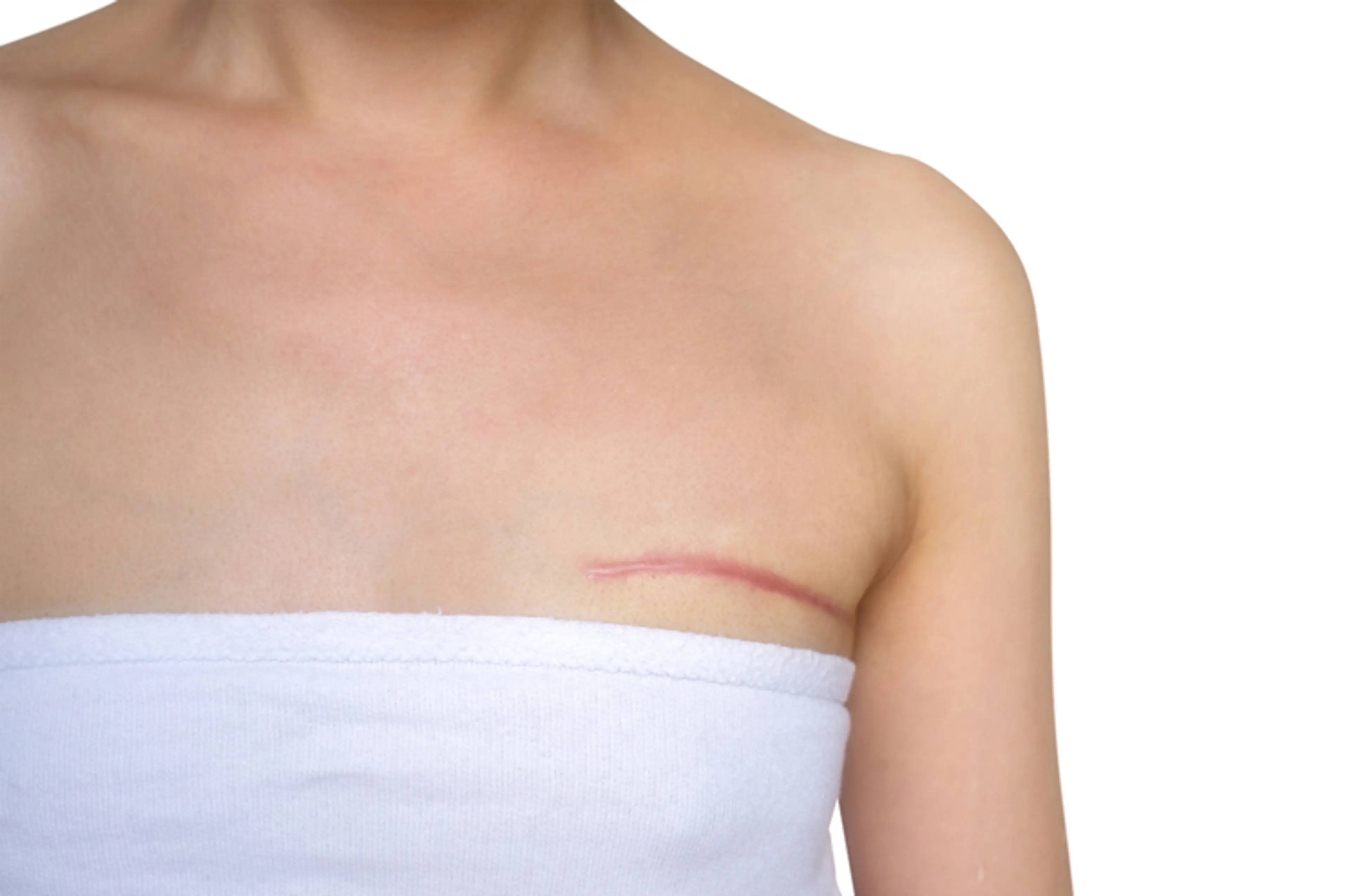
For many women recovering from breast cancer, a mastectomy can leave lasting physical and emotional scars. Post-mastectomy reconstruction plays a pivotal role in restoring a sense of wholeness and self-esteem. One of the most innovative and natural approaches to breast reconstruction is fat grafting. This technique uses a patient's own body fat to rebuild the breast, providing a more organic, seamless result compared to traditional implants.
At Yujin Plastic Surgery, we are dedicated to offering breast cancer survivors a pathway to both physical restoration and emotional healing through personalized fat grafting procedures. Our approach integrates the latest advancements, such as stem cell-assisted fat grafting, to ensure the best possible outcomes for each patient.
Fat grafting is an excellent choice for breast cancer survivors who wish to avoid implants or for those who need additional volume following initial reconstruction surgery.
Fat grafting offers several key benefits for women looking to restore their breast shape and self-confidence after mastectomy. First, it provides a natural, organic look and feel by using the patient’s own tissue rather than synthetic implants. This can be particularly valuable for women seeking a more authentic and personal outcome.
Additionally, fat grafting improves breast symmetry and can even address imperfections from previous reconstructive surgeries, including those using implants. The procedure is minimally invasive, and recovery time is shorter compared to traditional reconstruction methods, making it a more comfortable option for those seeking less downtime.
Beyond its aesthetic benefits, fat grafting helps women emotionally heal by restoring their femininity and sense of completeness after mastectomy. For many breast cancer survivors, this procedure is an empowering step toward regaining confidence.
The fat grafting process begins with liposuction, where fat is carefully extracted from areas like the abdomen or thighs. The harvested fat is then purified to ensure the healthiest cells are used for transfer. Once purified, the fat is injected into the breast area in layers, ensuring a smooth and natural integration with the existing breast tissue.
An advanced feature of our fat grafting procedure is the use of stem cell-assisted fat grafting. This cutting-edge technique improves the survival rate of fat cells and promotes tissue regeneration. The result is a more natural and durable outcome, with improved breast tissue integration.
Recovery after fat grafting is typically quick, with most patients resuming normal activities within one to two weeks. However, strenuous activities should be avoided for about a month to allow for optimal healing. Our team closely monitors the recovery process and provides personalized aftercare to ensure the best results.
The primary advantage of fat grafting is that it uses the patient’s own body fat, which eliminates the risk of rejection or infection associated with synthetic implants. This leads to a natural, organic appearance as the grafted fat integrates with surrounding tissue.
Fat grafting is also highly versatile. It can be combined with other reconstructive techniques, such as implants, to enhance volume or correct asymmetry. It is particularly beneficial for women who want a breast reconstruction option that feels natural, without the need for implants.
Most importantly, fat grafting provides significant emotional benefits. For many breast cancer survivors, it’s not just about achieving a new look; it’s about healing emotionally and reconnecting with their identity. Fat grafting offers an opportunity to regain a sense of wholeness and femininity, helping women embrace their post-mastectomy bodies with confidence.
One of the standout features of fat grafting is the relatively short recovery time compared to other breast reconstruction options. Most patients experience minimal discomfort and can return to light activities within a few days. However, some swelling and bruising in the first week are common and should subside within a few weeks.
Patients can generally return to their regular routines within one to two weeks, though more strenuous activities, such as heavy lifting or intense exercise, should be avoided for about four weeks. The fat grafting site from liposuction will also require care, and compression garments may be recommended to reduce swelling and improve contouring.
Follow-up appointments are essential to monitor healing and ensure that the grafts are integrating effectively. Full results may take several months to become visible, as the fat settles into the breast tissue and the body adjusts. Patience is key, as the transformation is gradual and yields natural-looking results.
Breast cancer survivors who have undergone fat grafting at Yujin Plastic Surgery often share powerful stories of personal transformation. For example, Hana, a 48-year-old breast cancer survivor, recalls, “After my mastectomy, I felt like I lost part of myself. The fat grafting procedure gave that part back. The results were so natural, and I felt whole again—not just physically, but emotionally.”
Another patient, Jiwon, who was diagnosed in her 30s, chose fat grafting for her reconstruction. “I didn’t want implants. I wanted something natural, and fat grafting gave me exactly that. I feel confident again, and I’m proud of my appearance,” she says.
These stories demonstrate the profound emotional and physical impact fat grafting can have on breast cancer survivors, offering a renewed sense of confidence and a positive outlook on life.
Breast fat grafting is one of several post-mastectomy reconstruction options, but it offers distinct advantages over traditional methods such as breast implants and tissue flaps. While implants are a quicker solution, they carry risks like capsular contracture and require eventual replacement. Moreover, implants don’t replicate the natural feel of breast tissue as effectively as fat grafting does.
Tissue flap surgeries, such as the TRAM or DIEP flap, involve moving tissue from another part of the body to the chest. While effective, these methods are more invasive, involve longer recovery times, and may leave additional scars on the donor sites.
Fat grafting, by contrast, is less invasive, requiring only small incisions for liposuction. It also uses the patient’s own tissue, minimizing the risk of complications and ensuring a more natural result. Fat grafting can even be combined with implants or tissue flaps to enhance the overall outcome, offering a highly personalized approach to breast reconstruction.
As with any medical procedure, fat grafting does come with some risks, including infection, bruising, and swelling at the grafting or liposuction sites. These are typically temporary and resolve within a few days to weeks.
In some cases, the body may resorb some of the grafted fat, meaning that not all of the transferred fat will remain. To address this, fat grafting is often performed in stages to ensure the best outcome.
At Yujin Plastic Surgery, we prioritize patient safety by employing advanced technologies and techniques to minimize complications. Each patient undergoes a comprehensive consultation and evaluation to ensure they are good candidates for the procedure.
An exciting advancement in breast fat grafting is the use of stem cells to enhance the procedure. At Yujin Plastic Surgery, we incorporate stem cell-assisted fat grafting to improve the survival rate of transferred fat cells and promote tissue regeneration. This approach accelerates the healing process and ensures better integration of the fat into the breast tissue, resulting in more natural and long-lasting outcomes.
While still an evolving field, stem cell-assisted fat grafting holds tremendous potential for breast reconstruction, offering enhanced results and improved patient satisfaction.
We understand the emotional and physical challenges that come with breast cancer recovery. That’s why we take a compassionate, personalized approach to every patient, ensuring that their needs are met with the highest level of care.
Breast fat grafting is a life-changing procedure for many women recovering from mastectomy, offering not only physical restoration but also emotional healing. At Yujin Plastic Surgery, we are committed to providing advanced, natural, and effective breast reconstruction options to help women reclaim their confidence and embrace a new chapter in their lives.